
Oregon 1200-Z Industrial Stormwater Permit Support
Practical NPDES stormwater permit help for Oregon industrial facilities, built around real site conditions, not just paperwork.
NPDES 1200-Z Permit Specialists • Nearly 30 Years of Industrial Experience • Field-Proven, Hands-On Support
Oregon NPDES Stormwater
If your Oregon industrial facility needs help with a 1200-Z permit, NPDES stormwater coverage, a Stormwater Pollution Control Plan, inspections, sampling, reporting, or DEQ communication, Paradise Environmental can help.
The Oregon 1200-Z permit is not just a form you file once and forget. It’s an ongoing industrial stormwater compliance program that needs to match your actual site conditions, drainage, operations, discharge points, documentation, and day to day procedures.
Paradise Environmental provides practical, field-tested support for industrial facilities that need to apply for, renew, update, or manage Oregon 1200-Z permit requirements. We work directly with facility teams to create stormwater compliance programs that actually work in real operating environments.
THE BASICS
What Is the Oregon 1200-Z Permit?
The Oregon 1200-Z permit is a general NPDES industrial stormwater discharge permit used for many industrial facilities in Oregon.
NPDES stands for National Pollutant Discharge Elimination System. This program regulates certain discharges, including stormwater discharges associated with industrial activity.
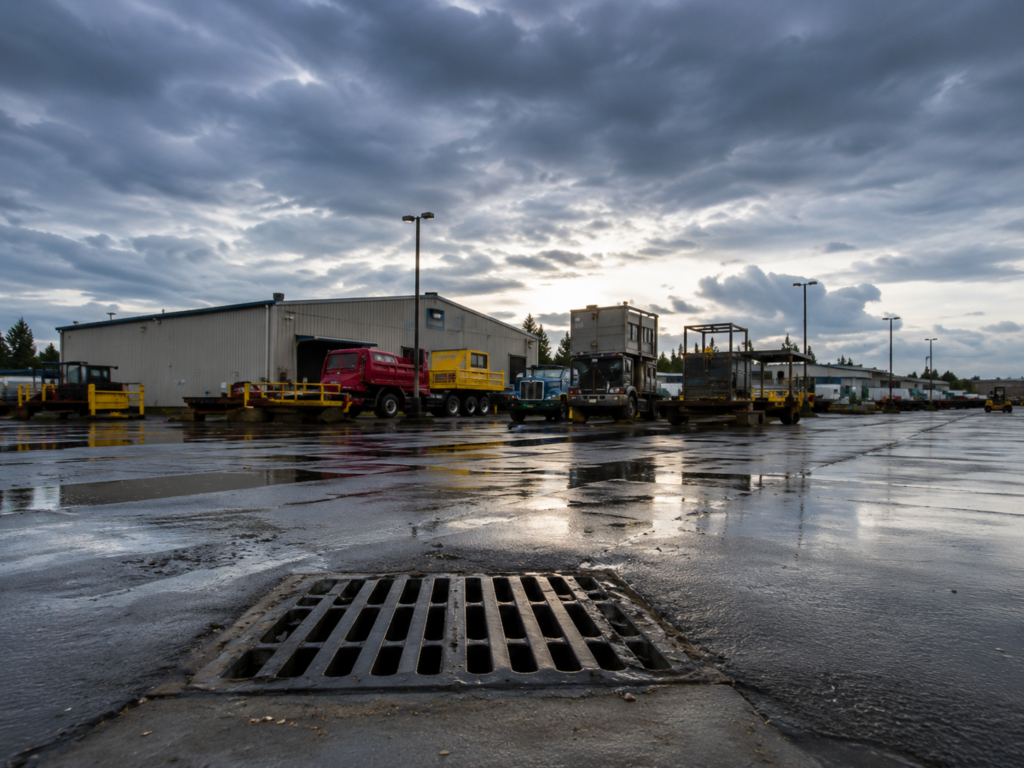
In Oregon, facilities that conduct regulated industrial activities and discharge stormwater from the site may need coverage under the 1200-Z permit. A 1200-Z permit may apply when stormwater comes into contact with industrial activity, materials, equipment, storage areas, loading areas, waste, residue, maintenance areas, or other potential pollutant sources before leaving the site.
This can include runoff that flows to:
- Catch basins and storm drains
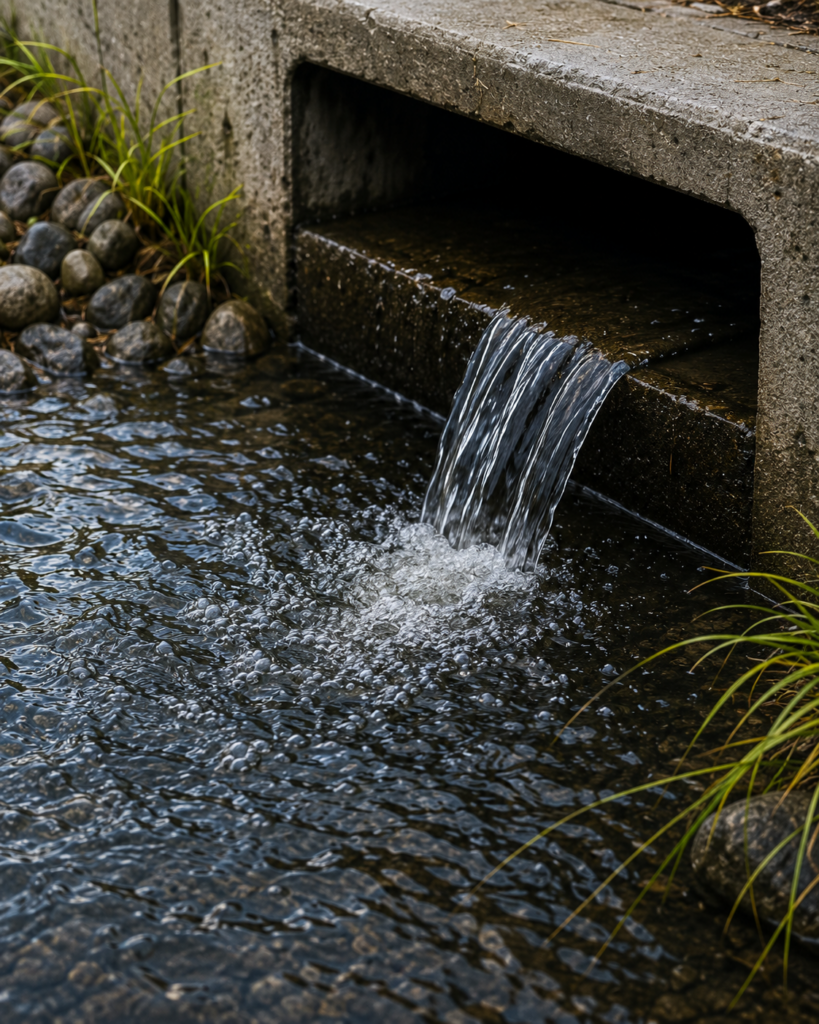
- Ditches, culverts, and drainage channels
- Swales, creeks, and rivers
- Surface waters and municipal storm systems
The permit is intended to reduce the potential for industrial stormwater pollution and create a structured compliance program for covered facilities.
APPLICABILITY
Who May Need a 1200-Z Permit in Oregon?
Many different types of industrial facilities may need Oregon 1200-Z permit coverage depending on their operations, industrial classification, site layout, drainage, and discharge conditions.
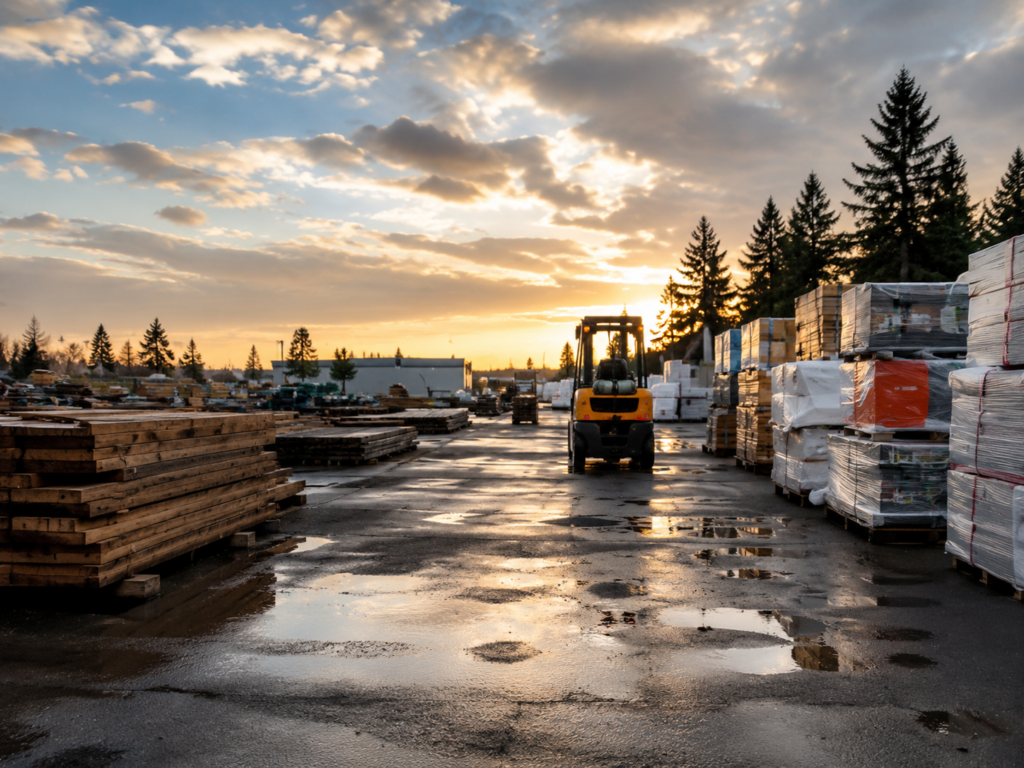
Even if your business doesn’t think of itself as a traditional industrial facility, your site may still have stormwater permit obligations if industrial activity is exposed to rain and runoff leaves the property.
GETTING COVERED
Oregon 1200-Z Permit Application Support
Applying for a 1200-Z permit can involve more than filling out basic facility information. A complete application may require an understanding of the facility’s operations, drainage areas, outfalls, receiving waters, site activities, pollutant sources, existing controls, and stormwater management approach.
Applicability Review
Permit applicability review, new application support, and permit renewal support.
Site & Drainage Review
Facility information review, industrial activity evaluation, drainage and discharge review, and outfall identification.
Documentation Support
Site map preparation support, SWPCP preparation, and documentation review before submittal.
Your DEQ Online Support
Guidance through Oregon DEQ’s online permitting system for applications and submittals.
Agency Coordination
Coordination with DEQ or authorized local agents and permit response strategy.
Accuracy First
Submitting incomplete or inaccurate information can create problems later. We help prepare materials that reflect the real site.
STAYING COVERED
Oregon 1200-Z Permit Renewal Support
If your facility already has 1200-Z permit coverage, renewal is an opportunity to review whether your compliance program is still accurate and effective. A renewal should not simply repeat old information if the facility has changed.
Paradise Environmental helps industrial facilities prepare for 1200-Z permit renewal by reviewing both the paperwork and the actual site conditions.
Before renewing, it's worth evaluating:
- Current site operations and updated industrial activities.
- Outdoor storage and material handling areas.
- Current drainage patterns, outfalls, and site maps.
- Stormwater controls and inspection routines.
- Sampling locations and past monitoring results.
- Corrective actions and SWPCP accuracy.
- Facility contact information and compliance documentation.
THE WORKING PLAN
Stormwater Pollution Control Plan Support
A Stormwater Pollution Control Plan, or SWPCP, is one of the most important parts of Oregon 1200-Z compliance. It should describe how the facility identifies, controls, monitors, and reduces potential stormwater pollution from industrial activity.
A practical SWPCP may include:
- Facility description and site map
- Drainage areas, outfalls, and discharge points
- Industrial activities and potential pollutant sources
- Material storage, loading, and waste management areas
- Best Management Practices
- Spill prevention and response procedures
- Inspection, sampling, and monitoring information
- Employee training and corrective action procedures
- Recordkeeping requirements
Signs your SWPCP no longer matches your site:
- Site maps that don't match current operations.
- Drainage areas that are incomplete or inaccurate.
- Outfalls that are missing or mislabeled.
- Outdoor storage areas not shown in the plan.
- BMPs listed but not implemented.
- Sampling locations that don't match drainage patterns.
- Inspection procedures staff don't actually follow.
- Old operations still described, new activities left out.
- Corrective actions not documented.
- Employees unaware of what the plan requires.
If the plan and the site don’t match, the facility can look unprepared during an inspection. Paradise Environmental helps align the permit, SWPCP, site conditions, and operational practices so the compliance program works in the field.
30+
Years of Experience
20+
Oregon Communities Served
14+
Industry Types Supported
STAYING ON TOP OF IT
1200-Z Inspection & Sampling Support
Routine inspections are a major part of industrial stormwater compliance. They help identify whether stormwater controls are working, whether pollutant sources are controlled, whether housekeeping is being maintained, and whether corrective actions are needed.
Many 1200-Z covered facilities are also required to collect stormwater samples and report results. Sampling can get complicated when facilities are unsure where to sample, when to sample, or what to do when results exceed benchmarks.
- Routine facility inspections and documentation
- Pre-inspection readiness reviews
- Sampling location and monitoring plan review
- Benchmark exceedance review and corrective action planning
- Reporting support and trend review
KEEPING THE RECORD STRAIGHT
Reporting & Documentation Support
1200-Z compliance depends heavily on documentation. A facility may be doing some things correctly in the field, but if inspections, sampling, corrective actions, training, and reporting aren’t properly documented, the compliance program may still be vulnerable.
What we help facilities document:
- Routine inspections and visual observations.
- Sampling events and laboratory results.
- Discharge monitoring reports.
- Corrective actions and BMP maintenance.
- Employee training and SWPCP updates.
- Permit renewals and agency communication.
- Site changes, spills, or unusual conditions.
Good documentation helps demonstrate that the facility is actively managing its stormwater obligations. It also creates a clearer record of inspections, sampling results, corrective actions, maintenance activities, and training efforts, which can be important if questions come up during a DEQ review. With organized reporting and documentation support, facilities can respond more confidently, identify gaps sooner, and keep compliance program easier to manage over time.
THE CONTROLS THAT DO THE WORK
Best Management Practices & Corrective Action
Best Management Practices, often called BMPs, are the operational, structural, and procedural controls used to reduce stormwater pollution risk. The right BMPs depend on the facility. What works for a recycling yard may not work for a manufacturing facility, equipment yard, or logistics operation.
BMPs may include:
- Good housekeeping and covered storage
- Spill prevention procedures and employee training
- Sweeping, sediment control, and inlet protection
- Berms, containment, and drainage controls
- Source control and treatment systems
- Erosion and sediment controls
Corrective actions may involve:
- Improving housekeeping and updating BMPs
- Repairing stormwater controls or cleaning catch basins
- Adjusting storage practices or drainage controls
- Investigating pollutant sources
- Updating the SWPCP and training employees
- Documenting the response and confirming effectiveness
The goal isn’t just to fix one problem once. The goal is to prevent the same problem from coming back.
BUILT FOR REAL SITES
1200-Z Compliance for Real Industrial Operations
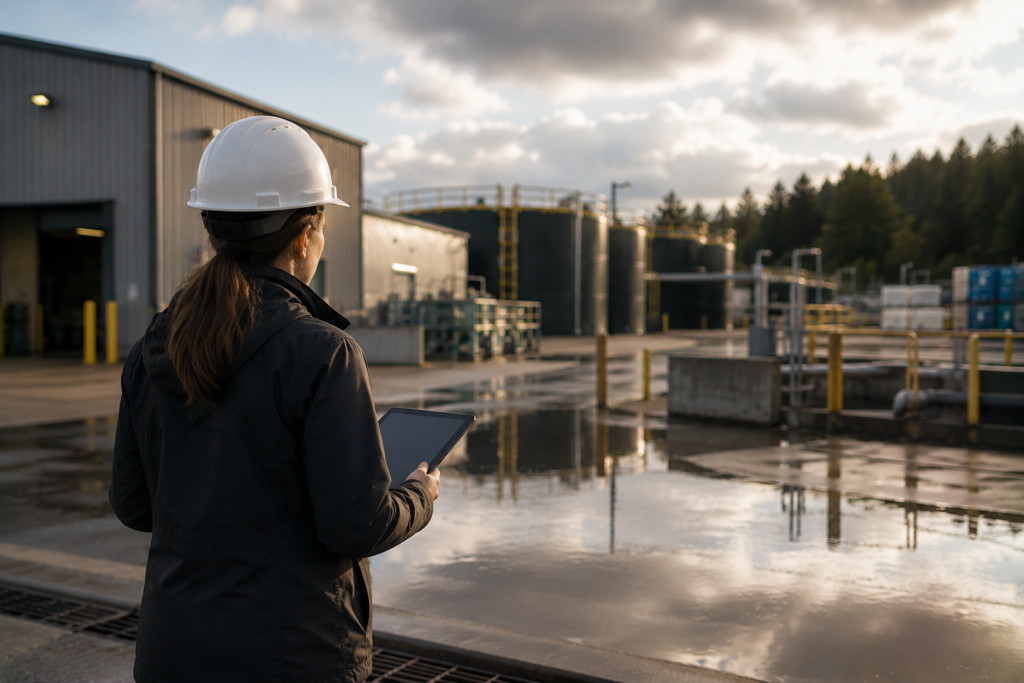
Industrial facilities are not static. Operations change. Materials move. Yards get reconfigured. Equipment comes and goes. Drainage conditions shift. Employees change roles. New activities are added over time.
That’s why stormwater compliance can’t be treated as a one-time paperwork project. Paradise Environmental works directly with industrial operations to help keep compliance aligned with the real facility, using an approach that’s practical, field-focused, and grounded in how industrial sites actually function day to day.
Already Have a 1200-Z Consultant?
Many businesses technically have a permit and a SWPCP, but their compliance program doesn’t match their operations. If your plan feels generic, your consultant isn’t involved in implementation, or you’re still getting repeat issues, a second look can help.
WHY PARADISE ENVIRONMENTAL
Practical Compliance Solutions in an Impractical Environment
Environmental regulations can be complicated, but your compliance program needs to work in the real world.
Nearly 30 Years of Experience
Informed by decades with environmental compliance, industrial operations, stormwater systems, and permitting.
Field-Proven Support
We understand industrial facilities because we work directly in them. Recommendations are based on real conditions, not theory.
Hands-On Compliance Management
We help with the work behind the permit: inspections, documentation, sampling, reporting, SWPCP updates, and corrective actions.
OUR 1200-Z PERMIT SUPPORT SERVICES
How We Can Help Your Facility:
- 1200-Z permit applicability reviews and new applications
- 1200-Z permit renewals and NPDES stormwater permit support
- DEQ letter review and Your DEQ Online support
- Stormwater Pollution Control Plan development and updates
- Site maps, drainage review, and outfall identification
- BMP recommendations and stormwater inspections
- Sampling and monitoring support
- Reporting, documentation, and corrective action planning
- Benchmark exceedance support
- Pre-inspection readiness reviews
- Long-term stormwater compliance management
Common problems we help solve:
- Confusing permit requirements or DEQ letters
- Outdated SWPCP documents or incomplete site maps
- Unclear drainage patterns or missing outfalls
- Inconsistent inspection records or sampling difficulties
- Benchmark exceedances or repeat stormwater issues
- Poor BMP maintenance or lack of staff training
- Permit renewal questions or consultant concerns
WHERE WE WORK
Local Oregon 1200-Z Permit Support
Paradise Environmental provides 1200-Z stormwater permit support for industrial facilities throughout Oregon and the Pacific Northwest, including:
Depending on facility location, industrial stormwater permit administration may involve Oregon DEQ or an authorized local agent. Paradise Environmental helps facilities understand who they’re working with, what’s required, and how to keep communication and compliance steps organized. This local experience helps industrial sites move forward with clearer expectations and fewer surprises.
GET STARTED
Get Practical Help With Your Oregon 1200-Z Permit
A 1200-Z permit is more than paperwork. It’s an ongoing compliance program that needs to work in the field. Paradise Environmental helps Oregon industrial facilities apply for permit coverage, renew existing permits, develop SWPCP plans, manage inspections, support sampling and reporting, and maintain practical stormwater compliance programs.
FREQUENTLY ASKED QUESTIONS
Oregon 1200-Z Industrial Stormwater Permit Questions
Answers to the most common questions we hear from Oregon industrial facilities.
What is the Oregon 1200-Z permit?
The Oregon 1200-Z permit is a general NPDES industrial stormwater discharge permit used for many industrial facilities in Oregon. It applies to certain stormwater discharges associated with industrial activity.
What does NPDES mean?
NPDES stands for National Pollutant Discharge Elimination System. It’s a permitting program that regulates certain discharges, including stormwater discharges from regulated industrial facilities.
Who needs a 1200-Z permit in Oregon?
A facility may need 1200-Z permit coverage if it conducts regulated industrial activity and stormwater from the site discharges to surface waters or a stormwater system that reaches surface waters. The answer depends on the facility’s operations, site drainage, materials, and discharge conditions.
How do I know if my facility needs a 1200-Z permit?
You may need to evaluate your industrial activities, site drainage, outdoor storage areas, material handling, discharge points, and whether stormwater leaves the site. Paradise Environmental can review your facility and help determine whether 1200-Z permit coverage may be required.
What types of businesses may need a 1200-Z permit?
Manufacturing facilities, equipment yards, rail yards, scrap yards, recycling facilities, logistics operations, trucking yards, fleet maintenance facilities, warehouses with outdoor activity, construction material yards, and other industrial sites may need coverage depending on their conditions.
Is the 1200-Z permit only for large factories?
No. Many types of industrial and commercial operations may be subject to stormwater permit requirements if they conduct regulated industrial activity and discharge stormwater from the site.
What is industrial stormwater?
Industrial stormwater is stormwater runoff that comes into contact with industrial activity, equipment, materials, waste, residue, loading areas, maintenance areas, storage areas, or other potential pollutant sources.
What is a Stormwater Pollution Control Plan?
A Stormwater Pollution Control Plan, or SWPCP, is a site-specific plan that explains how a facility manages stormwater pollution risks. It typically includes site maps, drainage areas, pollutant sources, BMPs, inspection procedures, sampling requirements, training, corrective actions, and recordkeeping.
Is a SWPCP required for a 1200-Z permit?
A SWPCP is a central part of 1200-Z permit compliance. Facilities covered under the permit generally need a plan that reflects site conditions and explains how stormwater pollution risks are controlled.
What's the difference between a SWPCP and a SWPPP?
SWPCP stands for Stormwater Pollution Control Plan. SWPPP stands for Stormwater Pollution Prevention Plan. The concepts are similar, but Oregon industrial stormwater permitting commonly uses the term SWPCP.
Can Paradise Environmental prepare a SWPCP?
Yes. Paradise Environmental can develop or update a Stormwater Pollution Control Plan for industrial facilities covered by, or seeking coverage under, the Oregon 1200-Z permit.
What if my SWPCP is outdated?
If your facility has changed operations, drainage, storage areas, equipment locations, outfalls, or BMPs, your SWPCP may need to be updated. An outdated plan can create compliance risk during inspections or reporting.
What are BMPs?
BMPs, or Best Management Practices, are controls used to reduce stormwater pollution risk. They may include good housekeeping, covered storage, spill prevention, sediment control, source control, inlet protection, employee training, treatment systems, and maintenance procedures.
What are outfalls?
Outfalls are locations where stormwater discharges from the facility. They may include pipes, ditches, channels, culverts, or other defined discharge points.
What is a point source?
A point source is a conveyance that moves water, such as a pipe, ditch, culvert, catch basin, channel, or similar drainage feature. Stormwater that leaves a site through a point source and reaches surface waters may trigger NPDES permit requirements.
Does stormwater going into a storm drain count?
It can. If stormwater leaves your site through a storm drain or other conveyance and reaches surface waters, permit requirements may apply depending on the facility and activities.
What is Your DEQ Online?
Your DEQ Online is Oregon DEQ’s online system for certain permit applications, renewals, reporting, and compliance business. 1200-Z permit processes may involve Your DEQ Online. https://www.oregon.gov/deq/permits/pages/your-deq-online.aspx
Can Paradise Environmental help with Your DEQ Online?
Yes. Paradise Environmental can help facilities understand the permit process, prepare information, and support documentation related to Your DEQ Online submittals.
What does 1200-Z permit compliance involve?
1200-Z compliance may involve permit application or renewal, SWPCP development, site inspections, stormwater sampling, monitoring, reporting, BMP maintenance, corrective actions, employee training, and recordkeeping.
Do I need stormwater sampling under a 1200-Z permit?
Many facilities covered under the 1200-Z permit have sampling or monitoring requirements. Sampling requirements depend on the permit and the facility’s operations, discharge points, and applicable parameters.
What happens if my sampling results are high?
If sampling results exceed applicable benchmarks or requirements, the facility may need to evaluate potential sources, document corrective actions, improve BMPs, update procedures, and continue monitoring as required.
What is a benchmark exceedance?
A benchmark exceedance occurs when stormwater monitoring results are above a benchmark level identified in the permit. It doesn’t always mean the same thing as a direct violation, but it does require attention, evaluation, and appropriate response.
What are corrective actions?
Corrective actions are steps taken to address stormwater compliance problems. They may include improving housekeeping, updating BMPs, cleaning drainage structures, modifying storage practices, investigating pollutant sources, updating the SWPCP, or training employees.
How often do 1200-Z facilities need inspections?
Inspection frequency depends on permit requirements and facility conditions. Covered facilities generally need routine inspections and documentation as part of their stormwater compliance program.
What do inspectors look for at 1200-Z facilities?
Inspectors may review site conditions, drainage areas, outfalls, exposed materials, housekeeping, BMPs, inspection records, sampling data, corrective actions, training records, and whether the SWPCP matches actual operations.
What if my facility already has a 1200-Z permit?
If your facility already has coverage, Paradise Environmental can help review your existing permit, update your SWPCP, improve inspections, evaluate sampling results, prepare for renewal, and strengthen your ongoing compliance program.
What if my facility received a DEQ letter about 1200-Z coverage?
You should review the letter carefully and determine what response or action is required. Paradise Environmental can help interpret the letter, review your site, and identify next steps.
Can Paradise Environmental help with a 1200-Z permit renewal?
Yes. Paradise Environmental can help review your current permit coverage, facility changes, SWPCP, sampling records, site maps, and compliance documentation before renewal.
Can Paradise Environmental help if we're behind on inspections or reporting?
Yes. Paradise Environmental can help review your current status, organize documentation, identify gaps, and create a practical plan to improve compliance moving forward.