
Received a DEQ Letter About Stormwater or NPDES?
Do not ignore it. Let’s figure out what your facility actually needs, and what to do next.
Oregon DEQ & NPDES Response Support • Nearly 30 Years of Industrial Experience • Field-Proven, Hands-On Support
DON’T PANIC, JUST ACT
If your business received a letter from the Oregon Department of Environmental Quality about stormwater, NPDES permit coverage, or industrial discharge requirements, you may be wondering what it means, why you received it, and what you’re supposed to do next.
Paradise Environmental helps industrial facilities throughout Oregon and the Pacific Northwest understand and respond to DEQ stormwater and NPDES requirements. We provide practical, real-world compliance support for permitting, Stormwater Pollution Control Plans, inspections, documentation, sampling, reporting, and long-term compliance management.
A DEQ letter doesn’t automatically mean your facility is in trouble. But it does mean your site may need to take action.
UNDERSTANDING THE NOTICE
Why Did I Receive a DEQ Letter?
Many Oregon industrial businesses are receiving letters from DEQ because their operations may involve stormwater discharges associated with industrial activity. In plain terms, DEQ may believe your facility has outdoor industrial operations, materials, equipment, storage areas, loading areas, maintenance activity, or drainage conditions that could allow stormwater to contact industrial materials and leave the site. That can trigger stormwater permit requirements.
NPDES permit coverage
Industrial stormwater discharge
Oregon 1200-Z permit requirements
Stormwater Pollution Control Plan requirements
Stormwater sampling or monitoring
Site drainage or discharge concerns
Oregon 1200-Z permit requirements
Compliance deadlines or response requirements
For many business owners and operations managers, this may be the first time they’ve heard of NPDES or 1200-Z requirements. That’s normal. These regulations are complex, and they’re not always written in a way that makes sense to someone running a busy industrial facility. Paradise Environmental helps translate those requirements into practical next steps.
TWO TERMS WORTH KNOWING
What Do NPDES and 1200-Z Actually Mean?
FEDERAL PROGRAM
NPDES Permit
NPDES stands for National Pollutant Discharge Elimination System. It’s a federal Clean Water Act permitting program that regulates certain discharges to surface waters, including some stormwater discharges from industrial facilities. In Oregon, many industrial stormwater permits are administered through DEQ or authorized local agents, depending on where the facility is located.
OREGON'S GENERAL PERMIT
The 1200-Z Permit
The Oregon 1200-Z permit is a general industrial stormwater discharge permit used for many industrial facilities in Oregon. If your facility conducts regulated industrial activity and stormwater discharges to surface waters or a storm system that reaches surface waters, you may be required to obtain 1200-Z coverage.
This doesn’t only apply to large factories. Many types of industrial and commercial operations can fall under stormwater permit requirements depending on site conditions, activities, drainage, materials, and discharge pathways.
A COMMON MISUNDERSTANDING
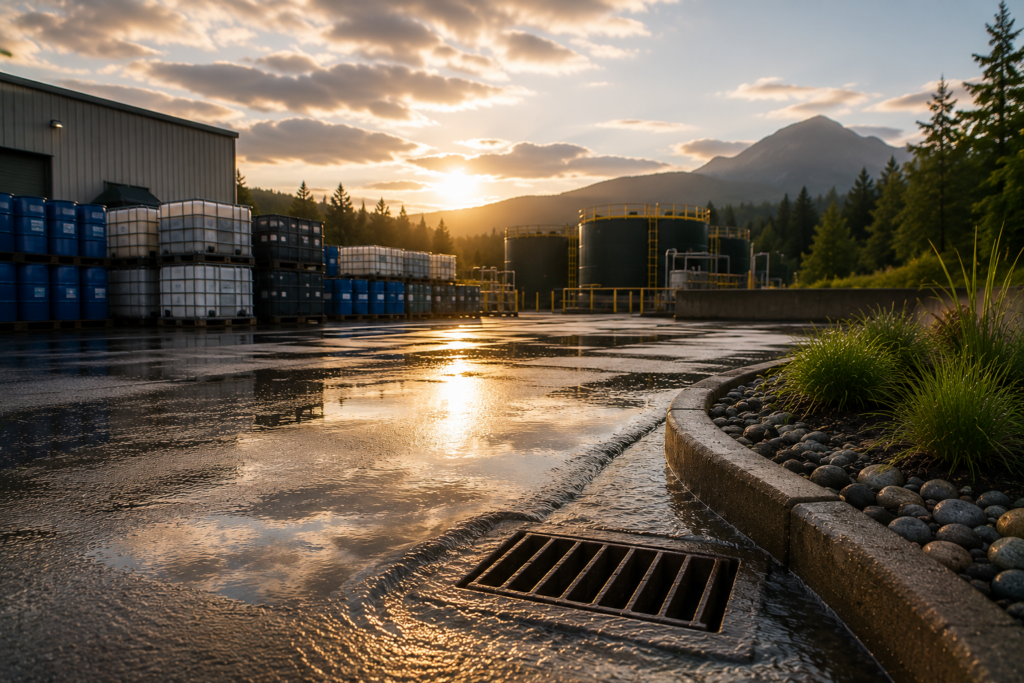
A Permit Alone Is Not a Compliance Program
One of the most common misunderstandings is that getting a permit means the facility is “done.” It doesn’t.
Industrial stormwater compliance is ongoing. Your facility may need to inspect, document, sample, monitor, report, update plans, maintain stormwater controls, and respond to changing site conditions. In many cases, the bigger issue isn’t whether a facility has a document on file. It’s whether the plan actually matches the real-world operation.
Has the layout changed? Have storage areas moved? Are drainage patterns different than the plan shows? Are inspections actually being documented? Paradise Environmental helps facilities move beyond paperwork and build compliance programs that actually work in the field.
A PRACTICAL FIRST-STEP PROCESS
What Should You Do After Receiving a DEQ Letter?
If you received a DEQ letter about stormwater or NPDES permit requirements, the most important thing is to respond thoughtfully and avoid guessing.
1
Read the Letter Carefully
Identify what DEQ is asking for: a response, information, a permit application, or a deadline. Don’t assume the letter is generic, even a standard notice may require a response.
- Required response date and permit type mentioned.
- Facility address, listed activities, and requested documents.
- Any mention of Your DEQ Online or inspection language.
2
Determine Whether It Applies to Your Facility
Whether your site needs permit coverage may depend on your operations, industrial classification, materials, site drainage, discharge points, and whether stormwater leaves the property. This is where a site-specific review matters.
3
Don't Rush an Incomplete Response
The natural reaction is to respond quickly, but submitting incomplete, inaccurate, or poorly prepared information can create problems later. It’s better to provide a clear, accurate response based on how the facility actually operates.
4
Get the Site Conditions Reviewed
Stormwater compliance starts with the site: outdoor activities, storage, drainage patterns, outfalls, existing controls, and housekeeping practices, before any documents get prepared or submitted.
5
Build a Plan That Works in Real Operations
A Stormwater Pollution Control Plan shouldn’t be a generic binder that sits on a shelf. It should reflect the actual facility, drainage, operations, and the people responsible for managing the site.
30+
Years of Experience
20+
Oregon Communities Served
14+
Industry Types Supported
APPLICABILITY
Who May Need Industrial Stormwater Permit Help?
Your facility may need stormwater compliance support if you operate a site such as:
WORTH A SECOND LOOK
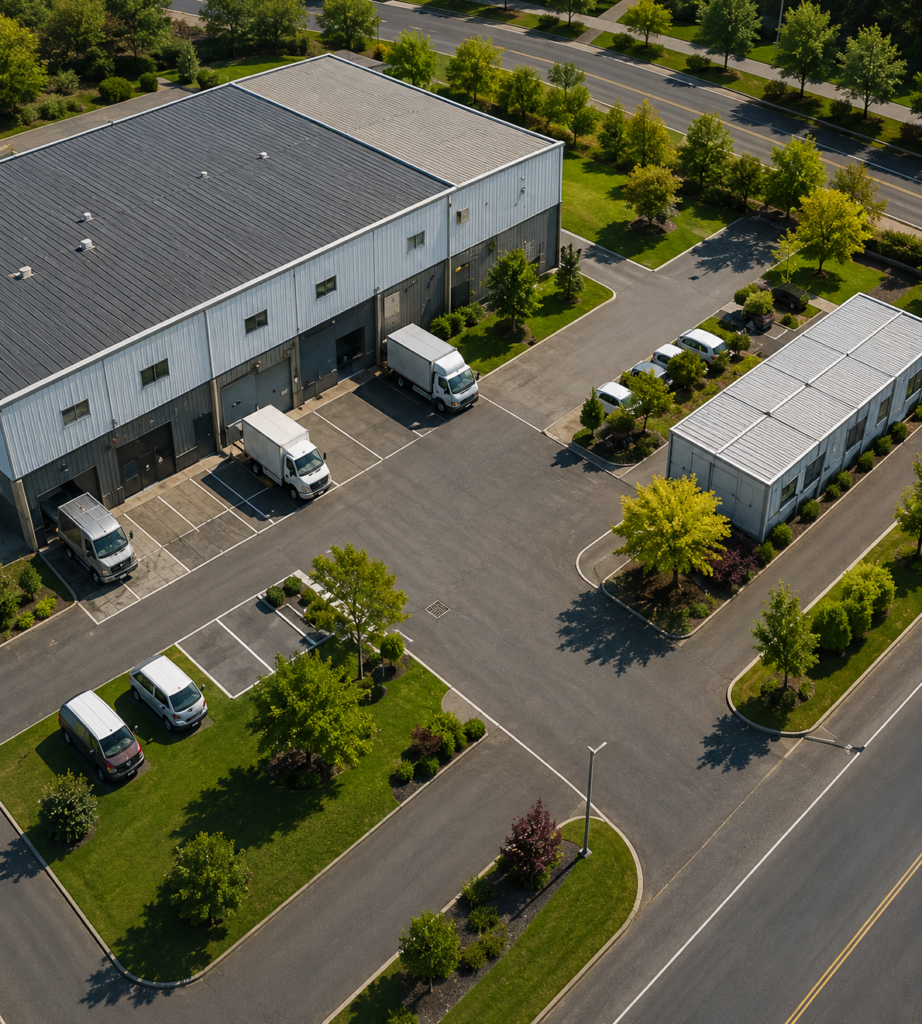
Signs Your Facility May Have Compliance Risk
- You received a DEQ letter, or store materials and equipment outdoors.
- Your yard drains to a catch basin, ditch, creek, river, or storm system.
- You have vehicle or equipment maintenance outdoors.
- Loading, unloading, or material handling areas are exposed to rain.
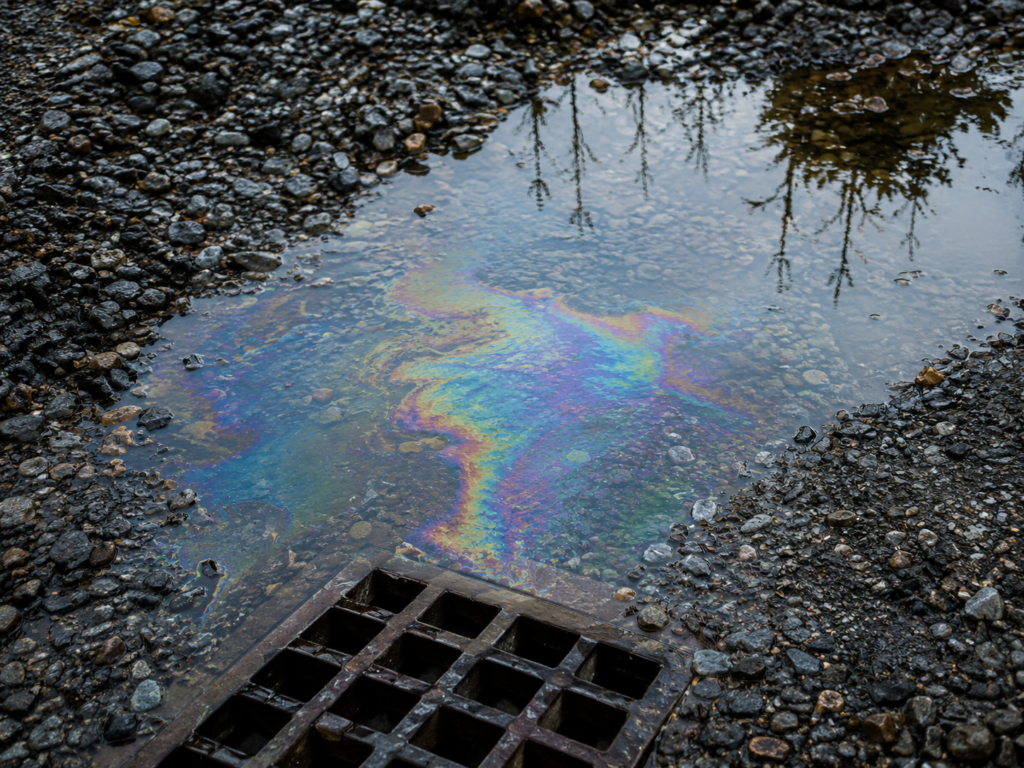
- You've noticed sediment, staining, oil sheen, or residue near drains.
- Your site maps or drainage plans are outdated.
- Your SWPCP hasn't been updated in years.
- You're not sure whether inspections are documented correctly.
- You've had benchmark exceedances or sampling issues.
A proactive review can help identify issues before they become bigger compliance problems.
Already Working With a Consultant?
Many facilities have a permit and a plan, but the compliance program doesn’t match the real operation. If documents exist but implementation doesn’t, or the same issues keep coming up, a second look can help.
WHY PARADISE ENVIRONMENTAL
Practical Compliance Solutions in an Impractical Environment
Environmental regulations can be complex and difficult to apply to real industrial sites. We help businesses navigate them with solutions grounded in real-world experience.
Nearly 30 Years of Experience
Decades in industrial operations, environmental compliance, stormwater systems, permitting, inspections, and reporting.
Field-Proven, Not Theory-Driven
We look at drainage, site activity, infrastructure, and daily responsibilities to build solutions that work outside a conference room.
Compliance Partnership
Ongoing support with inspections, documentation, reporting, sampling, and regulatory communication as an extension of your team.
HOW WE WORK
Our Process
1
Review the Letter
Deadlines, requested action, and permit language, so you know what you’re dealing with.
2
Evaluate the Facility
Site operations, drainage, materials, discharge points, and existing documentation.
3
Identify
Identify requirements; whether NPDES, 1200-Z, or SWPCP development may be needed.
4
Build the Response
A practical strategy, whether applying for coverage, updating documents, or addressing site conditions.
5
Support Long-Term
Inspections, reporting, sampling, documentation, and ongoing program management.
What Happens If You Ignore a DEQ Letter?
Ignoring a DEQ letter can create unnecessary risk. Depending on the situation, failure to respond or obtain required permit coverage may lead to additional agency communication, compliance deadlines, inspections, enforcement concerns, or operational disruption. The better approach is to understand what DEQ is asking for, evaluate your site, and respond with a practical plan. Even if you’re unsure whether the letter applies, it’s worth reviewing with someone who understands industrial stormwater compliance.
WHERE WE WORK
Local Oregon Stormwater Compliance Support
Paradise Environmental supports industrial facilities across Oregon and the Pacific Northwest, including businesses in and around:
Industrial stormwater compliance in Oregon can involve DEQ, local jurisdictions, authorized agents, drainage districts, and municipal storm systems. Our role is to help you make sense of the requirements and implement practical solutions.
GET STARTED
Received a DEQ Letter? Let's Make Sense of It.
You don’t need to navigate Oregon stormwater and NPDES requirements alone. Paradise Environmental helps industrial facilities understand what DEQ is asking for, determine whether permit coverage may be required, and build a practical compliance program that works in the field.
FREQUENTLY ASKED QUESTIONS
DEQ Letters, NPDES Permits & Oregon Stormwater Compliance
Answers to the most common questions we hear from Oregon industrial facilities.
What is a DEQ letter?
A DEQ letter is a notice or communication from the Oregon Department of Environmental Quality. If it mentions stormwater, NPDES, industrial discharge, or 1200-Z permit coverage, DEQ may be notifying your facility that you may have regulatory responsibilities related to stormwater runoff from industrial activity.
Why did I receive a DEQ letter about stormwater?
You may have received it because your facility appears to conduct industrial activity that could expose stormwater to materials, equipment, waste, residue, or operations before it leaves the site. DEQ may be asking your business to evaluate whether NPDES permit coverage is required.
What should I do after receiving a DEQ letter?
Start by reviewing the letter carefully for deadlines, requested information, permit references, and response instructions. Then evaluate whether it applies to your site. Because stormwater requirements are site-specific, many businesses have an environmental compliance consultant review the letter and facility conditions before responding.
Do I need to respond to a DEQ letter?
If the letter requests a response, information, permit application, or other action, you shouldn’t ignore it. Even if you’re unsure whether the requirements apply, it’s important to understand the letter and respond appropriately.
What is an NPDES permit?
An NPDES permit is a permit under the National Pollutant Discharge Elimination System. It regulates certain discharges, including some stormwater discharges associated with industrial activity. In Oregon, many industrial stormwater permit requirements are administered through DEQ or authorized local agents.
Do I need an NPDES permit in Oregon?
Your facility may need NPDES permit coverage if stormwater from industrial activity leaves your site and discharges to surface waters or a conveyance system that reaches surface waters. The answer depends on your operations, site conditions, drainage, materials, and discharge pathways.
What is the Oregon 1200-Z permit?
The Oregon 1200-Z permit is a general NPDES industrial stormwater discharge permit. Many Oregon industrial facilities use it for stormwater discharges associated with regulated industrial activity.
Who needs a 1200-Z permit in Oregon?
Facilities that conduct certain industrial activities and discharge stormwater associated with those activities may need coverage. This can include manufacturing sites, equipment yards, scrap yards, recycling operations, logistics facilities, transportation yards, and maintenance facilities.
What is a Stormwater Pollution Control Plan?
A SWPCP is a site-specific plan that explains how a facility manages stormwater pollution risks. It typically includes site maps, drainage areas, pollutant sources, Best Management Practices, inspection requirements, monitoring requirements, and documentation procedures.
Is a SWPCP the same as a SWPPP?
They’re similar types of stormwater planning documents, but terminology varies by permit program and jurisdiction. In Oregon industrial stormwater permitting, Stormwater Pollution Control Plan and SWPCP are the commonly used terms.
What is industrial stormwater?
Industrial stormwater is stormwater runoff that comes into contact with industrial activity, materials, equipment, storage areas, loading areas, maintenance areas, waste, residue, or other potential pollutant sources at an industrial facility.
What kinds of businesses are affected by industrial stormwater requirements?
Manufacturing facilities, rail yards, equipment yards, trucking yards, recycling centers, scrap yards, warehouses with outdoor operations, material storage yards, maintenance facilities, and similar sites may be affected.
What if my facility only has outdoor equipment storage?
Outdoor equipment storage can still create stormwater compliance concerns depending on the type of equipment, residues, fluids, materials, drainage patterns, and whether stormwater leaves the site. A site review can help determine what’s needed.
What if all of our work happens indoors?
If industrial materials and activities are fully protected from stormwater exposure, your facility may have different options or requirements. This still needs careful evaluation, since outdoor storage, loading areas, or drainage conditions may create exposure.
What is a no-exposure certification?
A no-exposure certification may be available in certain situations where industrial materials and activities are completely sheltered from stormwater exposure. Whether this applies depends on the facility and permit program requirements.
What is Your DEQ Online?
Your DEQ Online is Oregon DEQ’s online system for certain permit applications, renewals, reporting, and compliance-related business. Facilities may need to use it for industrial stormwater permit processes. Visit here: https://www.oregon.gov/deq/permits/pages/your-deq-online.aspx
What is stormwater sampling?
Stormwater sampling involves collecting discharge samples from designated locations during qualifying storm events. Sampling may be required under an industrial stormwater permit to evaluate pollutants and compliance.
What happens if stormwater sampling results are high?
If results exceed applicable benchmarks or requirements, the facility may need to evaluate the cause, document corrective actions, improve Best Management Practices, and continue monitoring as required by the permit.
What are Best Management Practices?
BMPs are operational, structural, or procedural controls used to reduce pollutants in stormwater, including housekeeping practices, spill prevention, covered storage, inlet protection, treatment systems, sediment controls, and employee training.
What do stormwater inspectors look for?
Inspectors may look for exposed industrial materials, drainage patterns, outfalls, housekeeping conditions, spill evidence, BMP maintenance, inspection and sampling records, site maps, and whether the facility follows its SWPCP.
What if my site has changed since our stormwater plan was written?
If your facility layout, operations, drainage, storage areas, or discharge points have changed, your stormwater plan may need updating. A plan that no longer matches the site can create compliance problems.
Can Paradise Environmental help with a DEQ response?
Yes. We can review your DEQ letter, evaluate your facility, help determine potential permit obligations, support permit applications, develop or update your SWPCP, and assist with practical next steps.
Can Paradise Environmental help if we already have a consultant?
Yes. We can provide a second look at your existing permit, SWPCP, inspections, sampling process, documentation, drainage conditions, and overall compliance program.
Can Paradise Environmental communicate with DEQ for us?
We can support regulatory communication and help facility teams prepare accurate, practical responses. The exact role depends on the situation, facility needs, and authorization.
How quickly should I act after receiving a DEQ letter?
As soon as possible, especially if the letter includes a deadline. Waiting too long can limit your options and create unnecessary pressure.
What should I have ready before contacting Paradise Environmental?
A copy of the DEQ letter, facility address, description of operations, any existing permits, site maps, drainage information, SWPCP documents, inspection records, sampling data, and prior DEQ communication.