OREGON DEQ COMPLIANCE
Oregon DEQ Compliance: What Industrial Facility Owners Should Know
For many industrial businesses, environmental compliance is simply one of several responsibilities that must be managed alongside production, maintenance, staffing, and daily operations. But environmental requirements aren’t always easy to understand. A facility may have operated for years without realizing that certain activities require an environmental permit. Another may have a stormwater program but be unsure whether its procedures meet current permit requirements.
Sometimes, these questions come to the surface after receiving a letter from Oregon DEQ.
If you’ve recently received regulatory correspondence, inherited responsibility for a facility’s environmental program, or simply want to better understand your obligations, knowing how DEQ compliance works is a practical place to start. The goal isn’t to make compliance more complicated than it needs to be. It’s to understand what applies to your facility, establish reliable procedures, and make sure those procedures are actually being followed.
Have Questions About Your Facility’s DEQ Permit Status?
What Does Oregon DEQ Regulate?
The Oregon Department of Environmental Quality is the state agency responsible for administering many of Oregon’s environmental protection programs. DEQ implements state regulations and administers programs authorized under federal laws, including aspects of the Clean Water Act, Clean Air Act, and hazardous waste regulations.
For Oregon industrial facilities, environmental compliance services commonly involve:
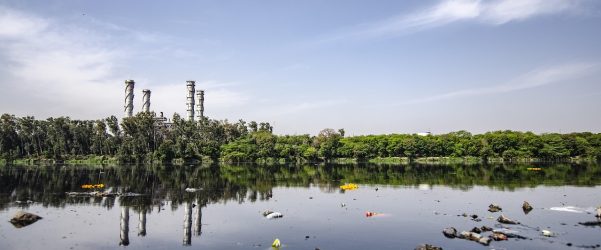
Water quality and industrial discharges
Air quality

Hazardous and solid waste
Which Oregon DEQ Requirements Commonly Affect Industrial Facilities?
Permits and authorizations
Stormwater pollution controls
Inspections and monitoring
Reporting and documentation
Corrective actions
Spill prevention and response
Facilities must maintain secondary containment, store chemicals safely, and follow clear procedures to contain and report releases before pollutants reach stormwater drains.
Why Might Oregon DEQ Contact Your Facility?
Receiving a letter from Oregon DEQ doesn’t automatically mean your business has violated an environmental regulation. The purpose can vary considerably.
1. Permit applicability questions
DEQ may contact a facility because its industrial activities suggest that a particular environmental permit could be required.
For example, a business may receive correspondence about potential coverage under Oregon’s NPDES industrial stormwater program. The facility may be unfamiliar with the permit or unsure whether the requirements apply. In this situation, the appropriate first step is to evaluate the facility’s operations and the applicable permit criteria.
2. Requests for information or Documentation
DEQ may request records or additional information to better understand a facility’s activities or compliance status. These requests may involve existing permits, monitoring data, inspection records, discharge information, or other documents.
3. Inspection findings
Following an inspection, DEQ may communicate observations, identified deficiencies, or actions needed to address compliance concerns. The significance of the findings depends on the circumstances and applicable regulatory requirements.
4. Monitoring or reporting concerns
DEQ may contact a facility about submitted monitoring results, reporting discrepancies, missing information, or other permit-related concerns. Some matters may be resolved through clarification or additional documentation, while others may require corrective action.
5. Warning letters and formal enforcement
When DEQ identifies alleged noncompliance, the agency may use different enforcement processes depending on the situation. Oregon DEQ distinguishes between warning letters, pre-enforcement notices, and formal enforcement actions. These documents carry different implications and should not be treated interchangeably.
Received a DEQ Letter? What Should You Do First?
If your industrial facility has received correspondence from Oregon DEQ, the most useful response is to get organized and determine what the notice requires. You don’t need to assume the worst, but you also shouldn’t put the letter aside.
Step 1
Read the Entire Notice
Identify the subject and program involved. Look for a specific permit or number, stormwater or wastewater requirements, facility activities, inspection findings, requested documentation, corrective actions, and alleged violations. Pay attention to the type of notice.
Step 2
Identify Deadlines
Determine whether DEQ set a date for information, an application, corrective actions, or a response. Record it immediately. If the request is unclear, contact the DEQ representative named in the letter. Do not delay a required response while looking for outside help.
Step 3
Review Existing Permits and Environmental Records
Gather permits, SWPCPs, inspection reports, monitoring records, previous communications, and submissions. If unsure whether a permit exists, review facility records and DEQ information systems.
Step 4
Evaluate Actual Facility Operations
Review outdoor storage, equipment maintenance, drainage systems, and wastewater pathways. An existing plan may not reflect changes made to the property over time.
Step 5
Determine Whether Additional Support Is Needed
Some requests can be handled by knowledgeable staff. Others need regulatory interpretation, field assessments, technical documentation, or coordinated corrective actions. If the letter involves formal enforcement, legal rights, or penalties, qualified legal counsel may also be appropriate.
Step 6
Respond Through the Appropriate Process
Follow DEQ’s instructions. A response may be direct communication, an electronic submission, a permit application, or supporting documentation. Keep copies of the correspondence, submissions, and confirmations.
You Received a DEQ Letter. What Type of Notice Is It?
| Type of Correspondence | What It Generally Means | Recommended First Action |
|---|---|---|
| Initial permit inquiry or applicability letter | DEQ is asking about operations or indicating that permit coverage may be necessary | Review facility activities, drainage conditions, and the referenced permit requirements |
| Request for information or records | DEQ needs specified documents or clarification | Identify the requested materials and submit an accurate response by the stated deadline |
| Warning Letter or Warning Letter with Opportunity to Correct | DEQ has identified alleged noncompliance and specified corrective measures | Review the findings and required actions, address the issues, and document the response |
| Pre-Enforcement Notice | DEQ has initiated the formal enforcement process concerning alleged noncompliance | Review the notice promptly, preserve records, and consider regulatory and legal assistance |
| Notice of Civil Penalty Assessment and Order | Formal enforcement action that may assess penalties or order corrective measures | Review legal rights, deadlines, and obligations immediately with appropriate counsel |
Important:
This guide summarizes common categories. The language and instructions in the actual notice control the appropriate response. Not every DEQ communication fits neatly into one category.
Need Help Understanding a DEQ Letter?
If your facility has received a DEQ notice about industrial stormwater, NPDES permit coverage, or wastewater compliance, Paradise Environmental can help you evaluate the requirements and determine practical next steps. Whether you need help understanding permit applicability, reviewing documentation, or implementing corrective measures, we’ll help you identify what needs attention.
Understanding Oregon’s NPDES Industrial Stormwater Requirements
NPDES stands for National Pollutant Discharge Elimination System. Under the federal Clean Water Act and state regulations, certain industrial stormwater discharges require permit coverage. In Oregon, the 1200-Z Industrial Stormwater General Permit applies to qualifying facilities. The current 2026–2031 permit took effect July 1, 2026, replacing the previous permit that expired June 30, 2026.
Which Facilities May Need Coverage?
Manufacturing
Production facilities
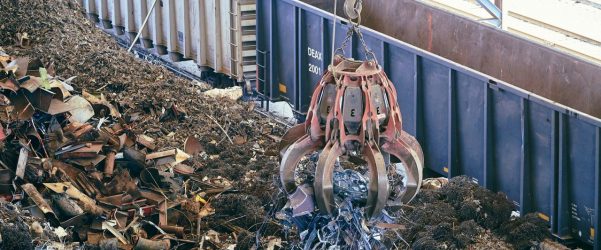
Recycling and scrap yards
Outdoor materials
Equipment maintenance
Certain transportation facilities
Material handling & processing
Other permit-criteria activities
A facility’s business classification alone may not provide the complete answer. Industrial materials exposed to precipitation, site drainage, and discharge pathways can affect the assessment.
What Is a Stormwater Pollution Control Plan?
For 1200-Z facilities, the SWPCP is a key compliance document. It identifies potential pollutant sources and describes practices used to manage industrial stormwater, and should reflect actual operations and permit requirements. But a written plan is only one part of a functioning compliance program.
Ongoing Inspections, Monitoring, and Reporting
Covered facilities must meet the conditions of their authorization, which may include inspections, monitoring, documentation, reporting, and corrective-action procedures. Follow the current permit rather than assumptions based on previous permit terms.
See our Oregon 1200-Z Industrial Stormwater Permit Support page. ->
What Is Your DEQ Online?
Your DEQ Online is Oregon DEQ’s environmental data management and online services system. Depending on the program, it may support:
Environmental permit applications and renewals
Permit and facility information management
Regulatory reporting and monitoring data submissions
Permit-related fees and payments
Public records and permit information
Certain notifications and other regulatory submissions
Why Does It Matter to Industrial Facilities?
If your facility holds a permit or needs to apply for coverage, certain transactions may need to be completed through the portal, including industrial stormwater permitting and various NPDES and WPCF wastewater processes. A facility may need an appropriate account, access to its records, and authorization to make certain submissions. The system distinguishes between responsible officials, consultants, and other users. A consultant may help prepare submissions, but that does not automatically replace the responsibilities or required signatures of the facility’s designated responsible official. Verify that account access and assigned responsibilities are current.
Official resource: Your DEQ Online ->
Get Experienced Environmental Support Without Adding Full-Time Headcount
Common Reasons Industrial Facilities Fall Behind on DEQ Compliance
Compliance problems don’t always result from a lack of attention. Sometimes a facility has procedures in place but hasn’t reviewed whether they still match current operations.
Outdated Environmental Plans
A facility may have an SWPCP that was developed years ago. Since then, equipment locations, material storage areas, drainage infrastructure, or operating procedures may have changed. Even if the original plan was properly prepared, it may no longer reflect actual site conditions.
PRACTICAL SOLUTION
Review environmental plans after significant facility changes and periodically evaluate whether they still accurately describe operations.
Unclear Internal Responsibilities
Many facilities assign environmental compliance to a plant manager, maintenance supervisor, safety manager, or another employee with multiple responsibilities. Without clear assignments, important tasks can be overlooked. For example, one employee may assume another person is submitting required monitoring reports.
PRACTICAL SOLUTION
Assign specific responsibilities and establish a reliable method for tracking completion.
Missed Monitoring or Reporting Requirements
Permit obligations often involve recurring activities. A facility may need inspections, sampling, reporting, or periodic documentation at specified intervals. When these tasks depend entirely on individual reminders, there is a greater chance something will be missed.
PRACTICAL SOLUTION
Create a compliance calendar linked to applicable permit requirements, with clear ownership and internal reminders.
Operational Changes That Haven’t Been Evaluated
Industrial facilities frequently expand production, add equipment, adjust storage practices, or modify drainage systems. These changes may affect existing permit conditions or create new compliance considerations.
PRACTICAL SOLUTION
Include an environmental review whenever operational changes are planned.
Differences Between Documentation and Actual Operations
A plan may show a covered storage area while materials are regularly placed outside it during busy periods. The plan and the operation no longer match.
PRACTICAL SOLUTION
How to Build a More Reliable DEQ Compliance Program
An effective program doesn’t have to be complicated. It does need to be organized, current, and practical for the people responsible for it.
Step 1
Confirm Which Requirements Apply
Review permits, regulated activities, and discharge conditions. Don’t assume a permit issued years ago covers all current operations.
Step 2
Assign Responsibility for Every Recurring Task
Define who handles inspections, monitoring, documentation, reporting, maintenance, and regulatory communication. Establish backup personnel when appropriate.
Step 3
Maintain a Central Compliance Calendar
Track required activities and deadlines in one accessible place, with reminders early enough to allow sampling, inspections, and review before deadlines.
Step 4
Keep Environmental Documents Current
Maintain organized permits, SWPCPs, monitoring results, inspection records, reporting confirmations, and correspondence. Review plans after operational changes and when updated permit requirements apply.
Step 5
Conduct Routine Field Reviews
Walk the facility and review drainage areas, material storage, industrial activities, and stormwater controls. Compare what is happening with the written procedures.
Step 6
Address Problems and Document Corrective Actions
Determine the cause, document required actions, completion dates, and follow-up results. If an issue returns repeatedly, reassess whether the underlying cause has been addressed.
Step 7
Review the Program Regularly
Regulations, permits, personnel, processes, and site operations all change. Periodic reviews help identify gaps before they become recurring issues.
The goal is a compliance program that employees can follow consistently, not a collection of documents that only gets reviewed when someone asks for them.
When Should You Contact an Environmental Compliance Consultant?
Not every facility needs ongoing consulting. Outside expertise can be valuable when requirements are unfamiliar, operations change, or the facility needs additional technical and field support. Consider seeking assistance if:
You’ve received a DEQ letter and aren’t sure what it requires.
You don’t know whether your facility needs an NPDES stormwater permit.
Your existing SWPCP may no longer reflect site conditions.
Environmental inspections or reporting are falling behind.
You need help addressing recurring stormwater or wastewater issues.
Your facility has expanded or changed operations.
Your internal personnel need help managing ongoing compliance obligations.
You want an independent review of your existing environmental program.
Professional support doesn’t necessarily mean outsourcing the entire program. Some facilities benefit from a one-time applicability review or site assessment. Others need help with a corrective-action project or ongoing management.
How Paradise Environmental Can Help
With nearly 30 years of environmental operations, management, and consulting experience, we understand the challenges facilities face when balancing regulatory requirements with day-to-day business demands. Our work focuses on industrial stormwater, NPDES permits, wastewater discharge compliance, environmental inspections, and practical compliance program management.
- Understand stormwater and wastewater requirements
- Evaluate existing environmental programs
- Review and update SWPCPs
- Manage inspections and monitoring
- Improve reporting and recordkeeping
- Address operational compliance gaps
- Respond to relevant DEQ correspondence
- Coordinate environmental corrective actions
We work directly alongside facility teams, environmental managers, engineers, and contractors. Our role isn’t limited to identifying concerns or preparing recommendations. We help facilities carry out the work necessary to make their programs function more effectively.
Environmental Compliance & Permitting Services -> and Corrective Actions & Special Projects ->
Already working with an environmental consultant?
We’re not necessarily here to replace them.
We can provide additional field support, review existing procedures, or help address operational gaps. Our focus is straightforward: helping industrial businesses turn environmental requirements into practical work that actually gets completed.
Frequently Asked Questions
About Oregon DEQ Compliance
Why did I receive a letter from Oregon DEQ?
DEQ may contact your facility about permit applicability, requests for records, reporting matters, inspection findings, or potential noncompliance. The specific reason should be explained in the correspondence. Identify any requested actions or deadlines before deciding how to respond.
Does a DEQ letter mean my facility has violated a regulation?
No. Some correspondence is informational or intended to evaluate whether a permit is required. Other documents, such as warning letters or enforcement notices, may identify alleged violations. The type of correspondence determines its significance.
Can DEQ require my business to obtain an NPDES permit?
Yes, when applicable regulations require permit coverage. Whether coverage is required depends on the specific regulatory criteria and facility conditions.
What is Your DEQ Online?
It is Oregon DEQ’s electronic environmental services and information management platform, used for permit applications, renewals, reports, payments, account management, and public records. Users must follow the registration and submission requirements for their program.
How can I determine whether my industrial facility is compliant?
Identify applicable permits and requirements, then review permit conditions, inspections, monitoring records, reporting history, current plans, and actual site operations. If you cannot confidently verify that key obligations are being met, an environmental compliance review may help.
Can Paradise Environmental help me respond to a DEQ notice?
Yes. We can assist with DEQ correspondence involving stormwater, NPDES permit requirements, wastewater compliance, and related responsibilities within our areas of expertise. Formal enforcement matters involving legal rights or disputes may also require environmental legal counsel.
Need Help Understanding Your Oregon DEQ Compliance Requirements?
You don’t have to wait until an environmental concern becomes more complicated to take a closer look at your compliance program. If you’ve received an unfamiliar DEQ letter, aren’t sure whether your operation needs permit coverage, or want to verify that your procedures are being followed, a professional review can provide clarity.
Talk With an Oregon Environmental Compliance Specialist
Practical Compliance Solutions in an Impractical Environment.

Paradise Environmental, Inc. All Rights Reserved, 2026
Website designed by Summit Productions.